Ephemeral Eternity
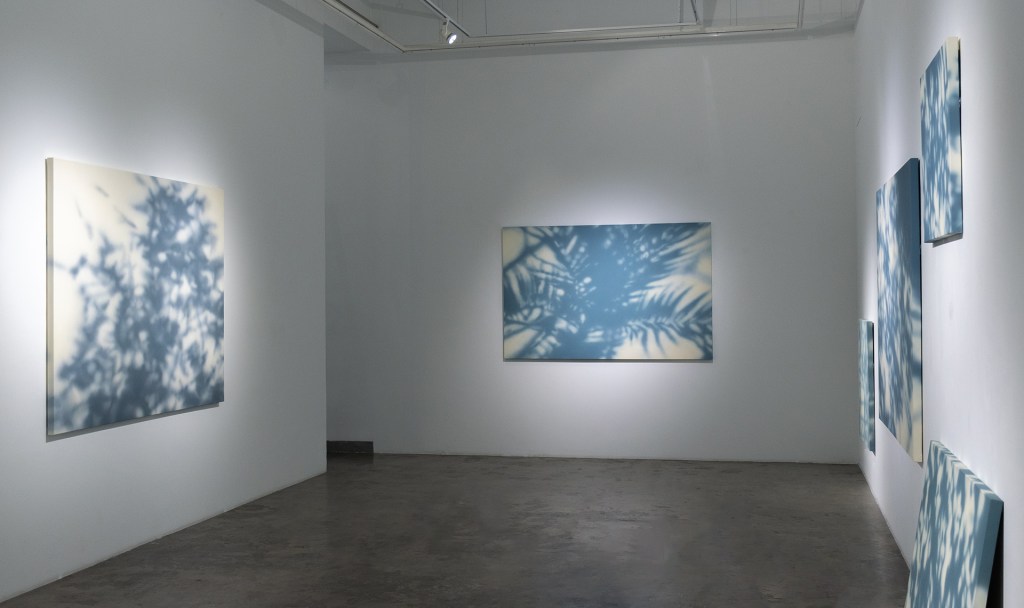
Ephemeral Eternity is Condro Priyoaji’s third solo exhibition that sees the continuation of the artist’s long-term obsession with the interplay and fleeting nature between light, shadow, and landscape. In this new series of paintings, Condro has taken a more context-specific point of reference, where the changing landscape of the kbu in Northern Bandung became his departure point.
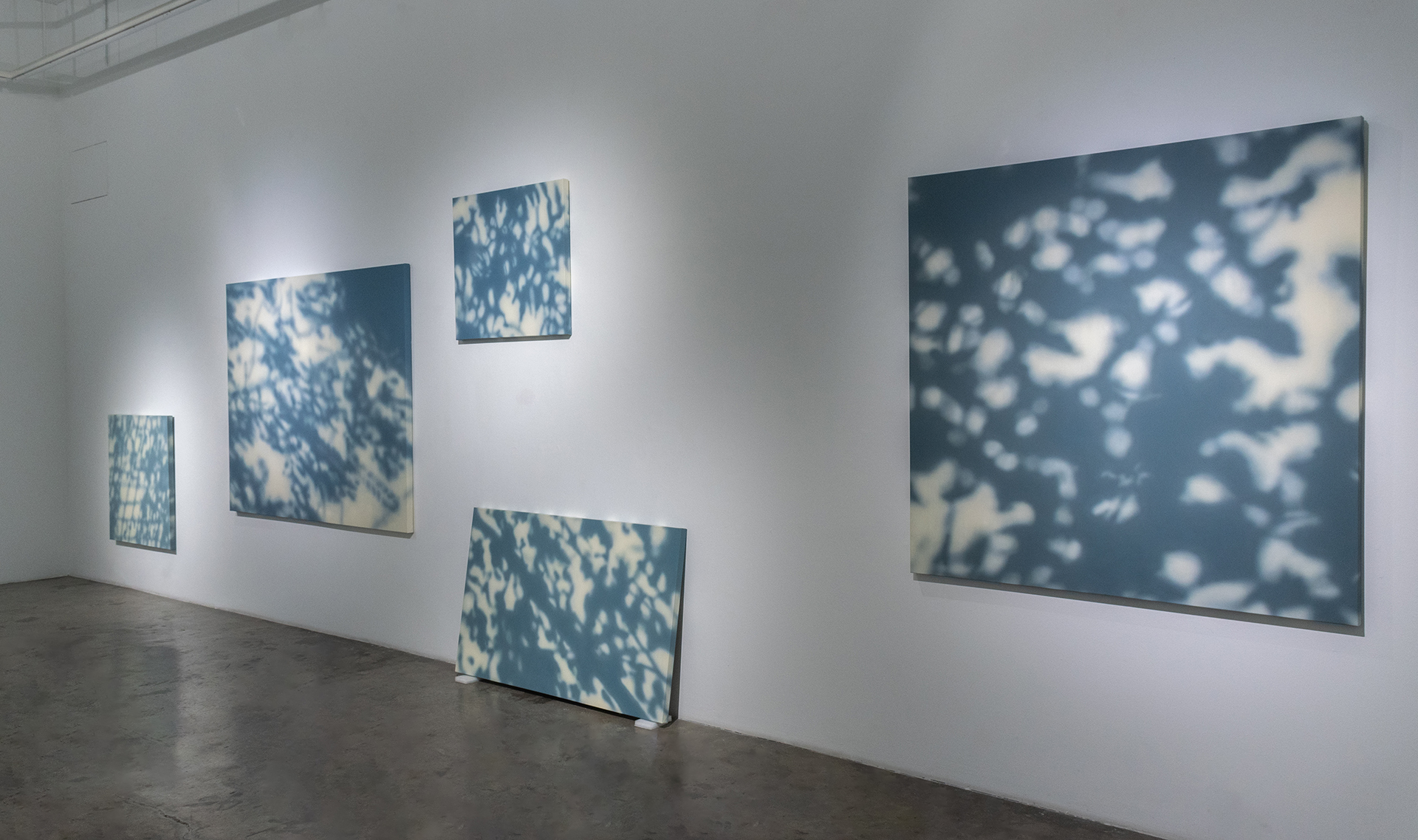
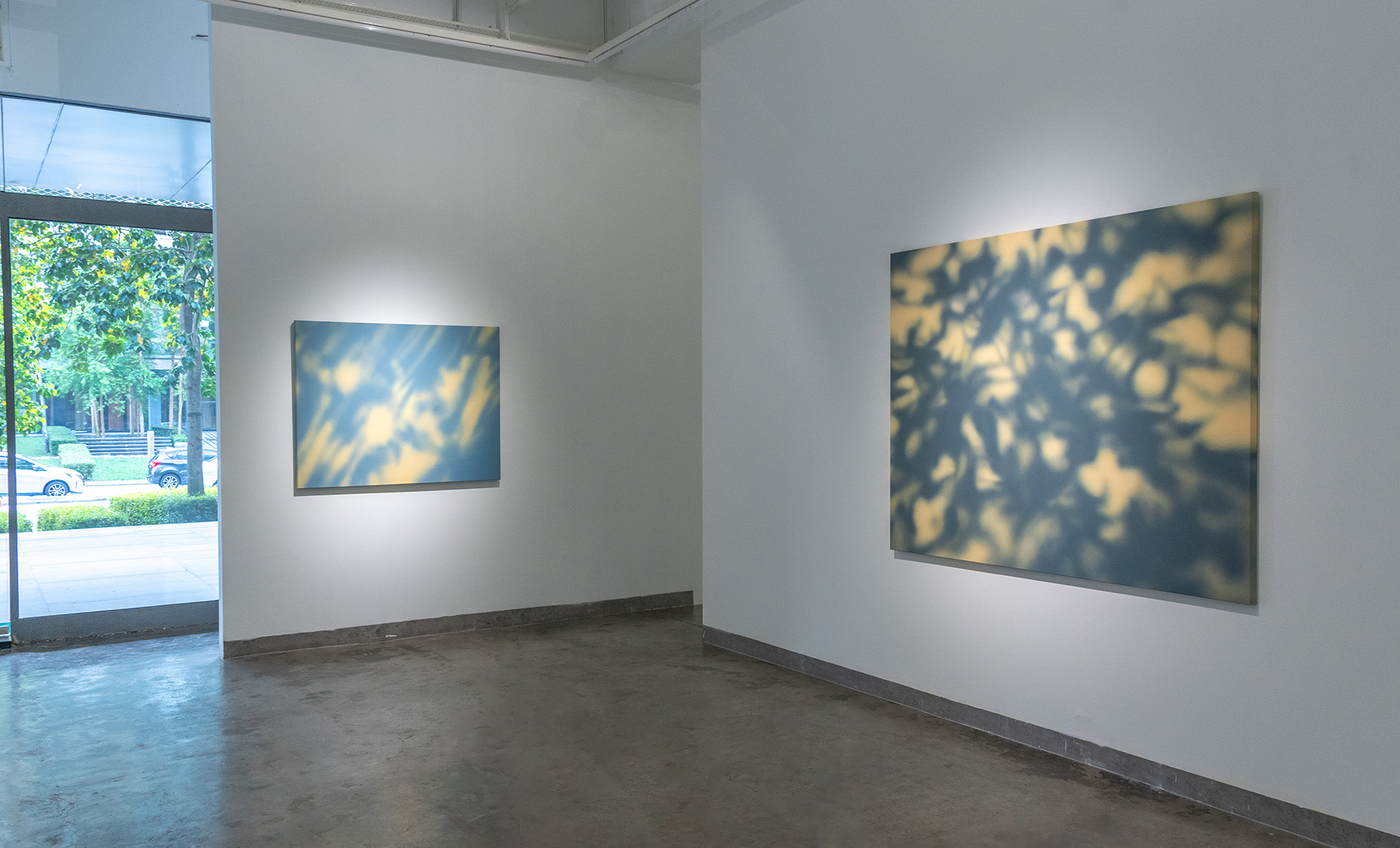
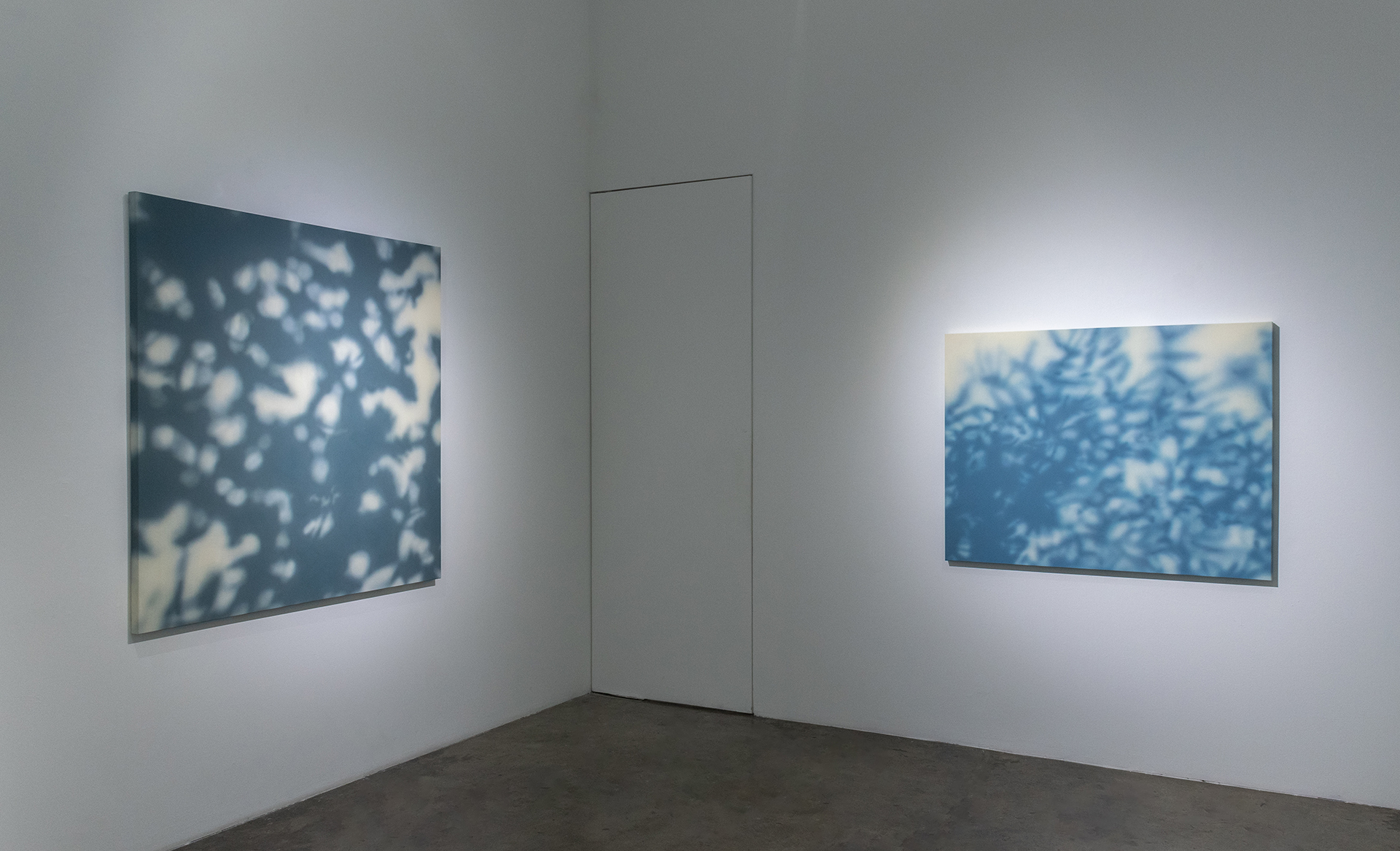
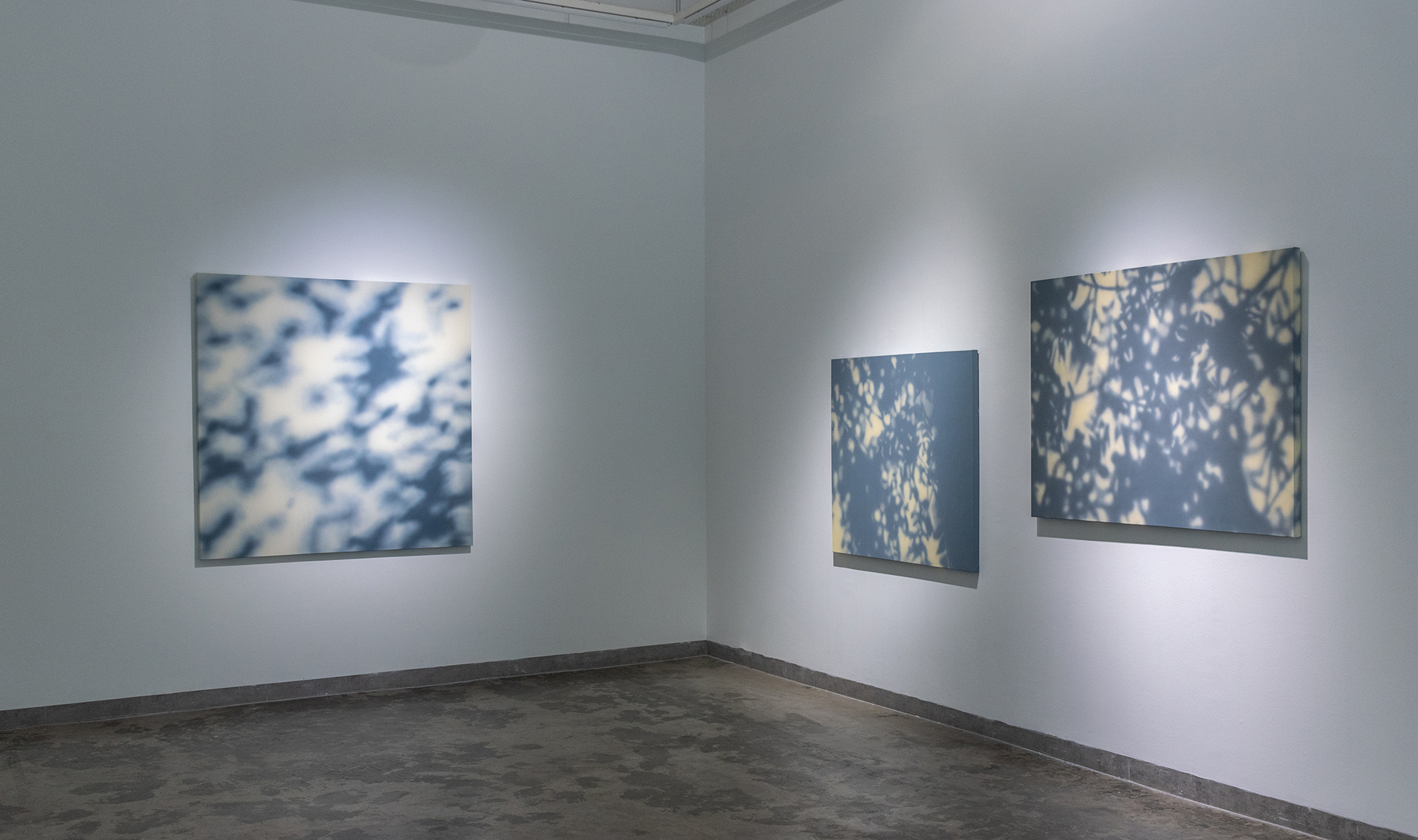
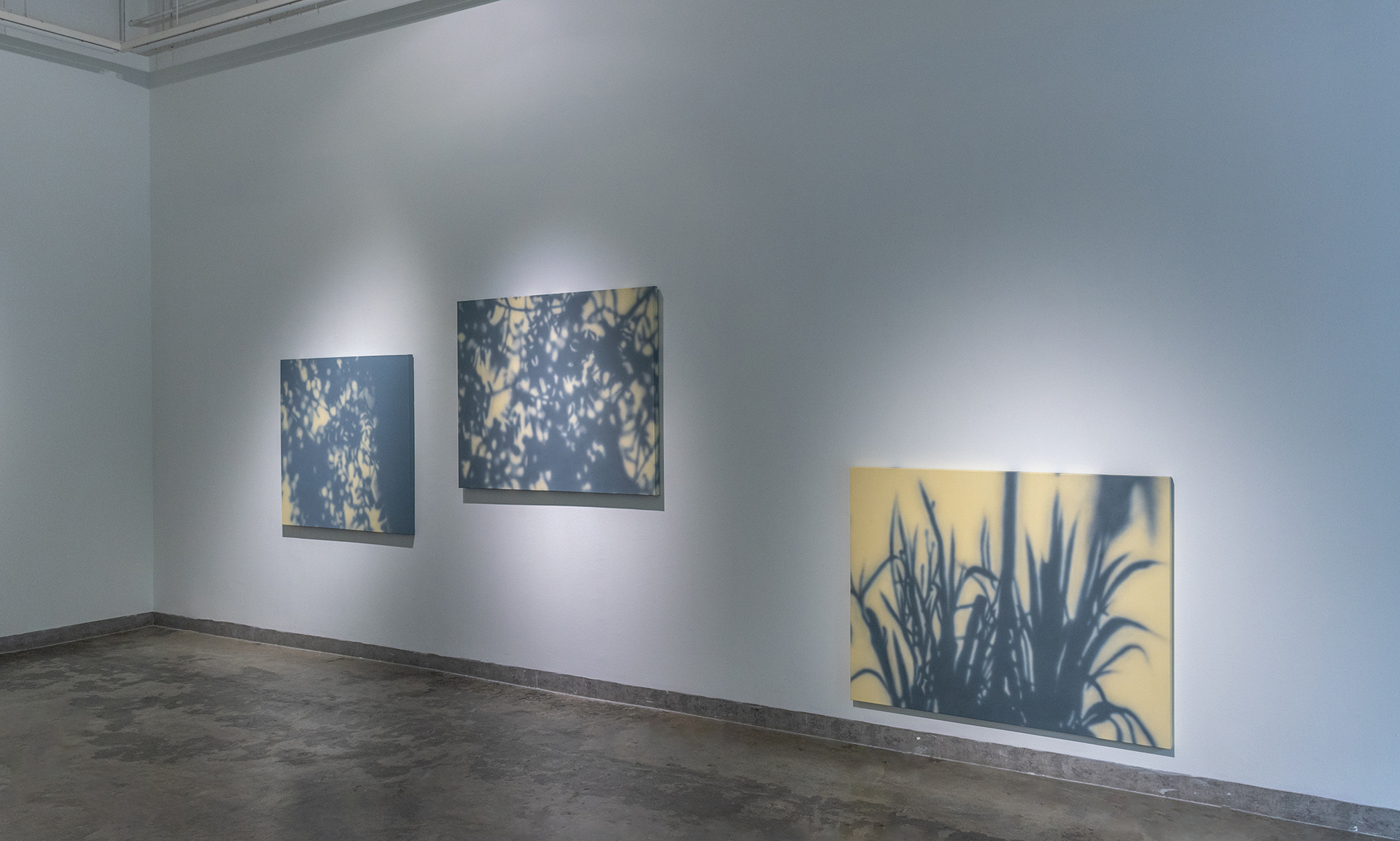
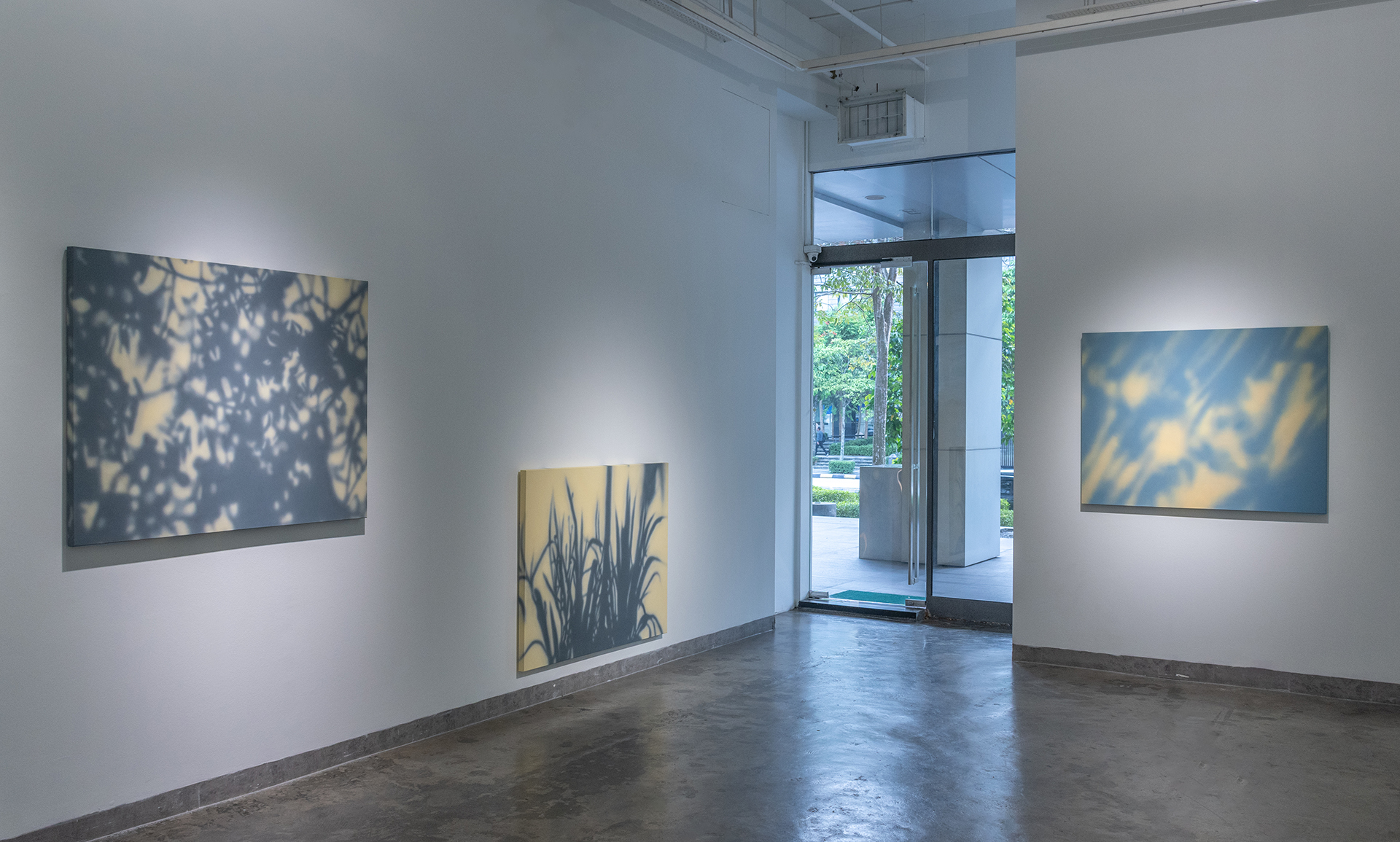
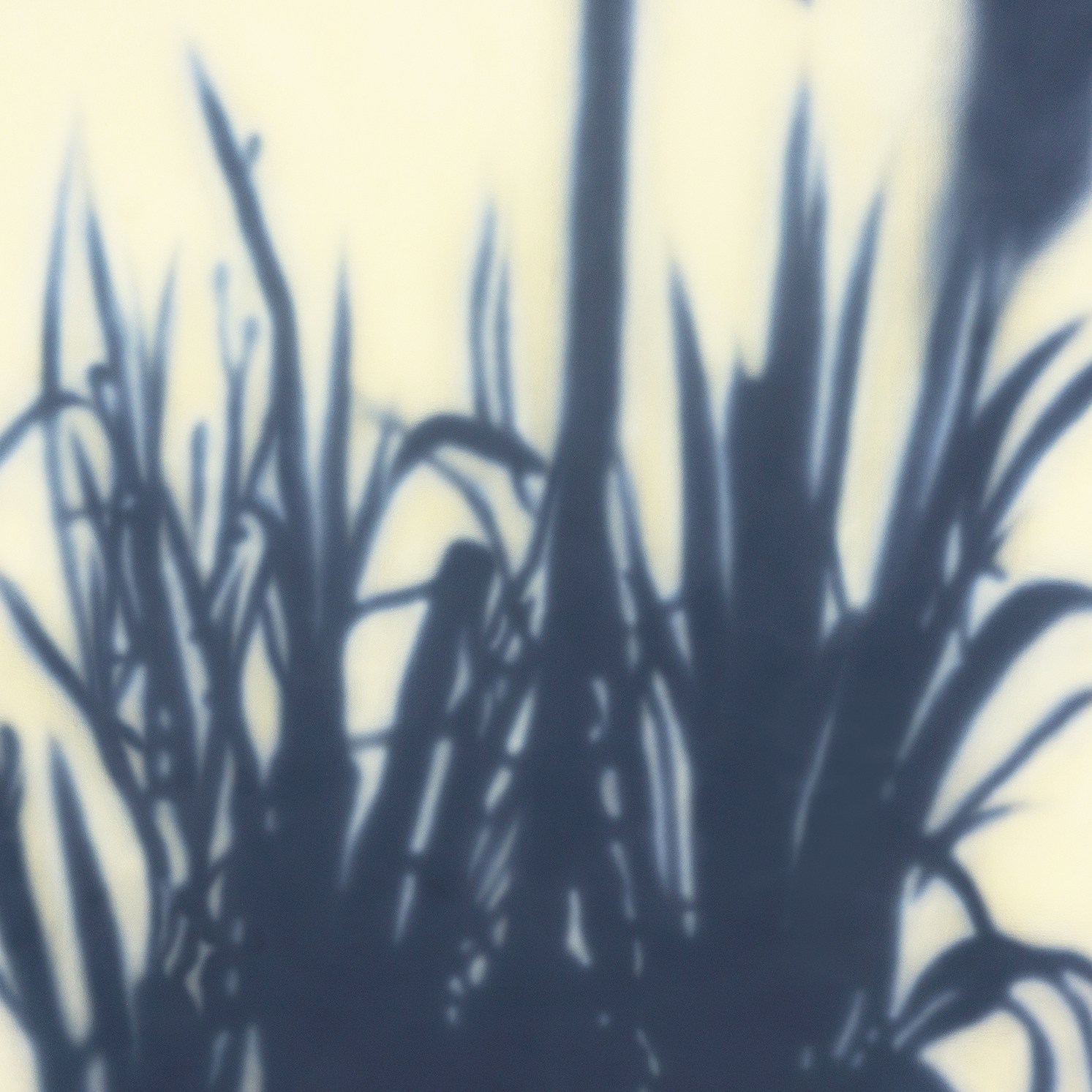
For the past few years, Condro has regularly referred to the Japanese concept of Komorebi to frame his interest. Komorebi is a Japanese term that refers to sunlight filtering through the leaves of trees, evoking a sense of tranquility and connection with the natural world. In his painting practice, capturing komorebi involves depicting a scene where sunlight filters through the leaves of trees, casting dappled light and shadow on the ground below. Time and again in his paintings, komorebi is used to reflect the relationship between objects, sunlight and their shadows. At times, he captures the shadows of brise-soleil, the architectural elements used in the facade of buildings while other times, the shadows of foliage. Instead of manipulating light and objects to correspond with his painting’s mood, Condro has based his paintings on photographs of the shadows of foliage taken during different times of day throughout various areas of Bandung, resulting in different shades, intensity and patterns. The colour scheme of his choice for this series, a hue of blue and grey, reveals his emotions to the gradual but drastic change of landscape: a mix of melancholy and calmness.
Condro lives and works in Bandung, a city in Indonesia where nature and urban life blend harmoniously. In his research for this new series of paintings, the artist took several trips to Kawasan Bandung Utara (kbu) in search of natural shadow plays. For the ecosystem of Bandung, kbu plays an important role in groundwater supply, water catchment, flood mitigation and climate regulation of the area. Because of its environmental significance, the West Java Provincial Government issued the ‘West Java Province Regional Regulation Number 2 of 2016’ to govern land use in the area, aiming to protect and preserve KBU’s natural functions. However, from the early 2010s, satellite data and field reports indicate a substantial reduction in forest cover, which has been attributed to activities such as illegal logging, land conversion for agriculture, and urban expansion. Meanwhile, increased conversion of forested areas into agricultural land and real estate developments has accelerated the rate of deforestation. Recently, when Condro returned to Tahura Forest in the kbu, where he took reference photographs of shadows, the artist was shocked by the rapid pace of deforestation in the kbu. The area, once known for its green landscape, now sees trees being cut down and replaced by hotels and shopping malls.
In this context of extreme exploitation of nature, Condro’s paintings have become even more poignant evidence of specific trees that used to populate the area but are no longer present. This small act of Condro’s attention to shadows emphasizes nature’s fragile existence which, at its core, is also ephemeral and fleeting. Condro Priyoaji’s Ephemeral Eternity begs us to take time to appreciate natural beauty which is currently under extreme threat. Light has been a Western symbol for enlightenment and scientific knowledge. Yet here in Condro’s cosmology, shadow reflects a more complex, nuanced sense of truth: in the name of development, gain has always come at the cost of things significant, and at times, such loss can never be returned.
Van Do